Inbound Marketing Performance in a Zero-Click World
AI search and zero-click results are eroding inbound traffic. Learn how to measure real inbound performance and adapt your content strategy.
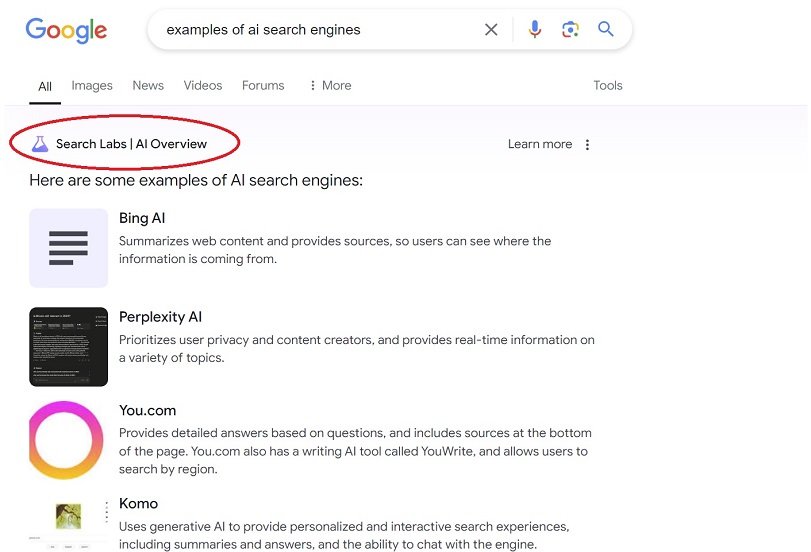
Inbound marketing teams are facing a new challenge: the rise of zero-click searches. As Google continues to enhance its AI capabilities, including features like AI overviews, featured snippets, and Search Generative Experience (SGE), more users are getting their questions answered directly on the search results page. This means fewer users are clicking through to the websites that originally provided the information. For inbound marketing teams, this trend is concerning. While demand for information may be flat or even growing, the sessions and traffic metrics that traditionally indicated success are declining. This shift requires a reevaluation of how inbound marketing performance is measured and reported.
What Zero-Click Search Actually Means for B2B
Zero-click searches occur when users find the information they need directly on the search results page, without having to click through to a website. While this phenomenon is not new, its implications for B2B marketers are becoming more pronounced. In the B2C space, zero-click searches often involve straightforward queries like weather updates, sports scores, or quick facts. However, in the B2B realm, the impact is more nuanced and potentially more disruptive.
B2B queries often involve complex topics that require detailed explanations, such as industry-specific regulations, product comparisons, or technical how-tos. Google's AI Overview and SGE are increasingly capable of summarizing these complex topics, providing users with a concise answer without the need to visit the source website. This is particularly true for queries that start with "what is," "how to," or "best practices for," which are common in B2B research. As a result, B2B marketers are seeing a decline in traditional traffic metrics, even as their content continues to be consumed in a different format.
Google's AI Overview coverage for typical B2B topics often includes a mix of content from various sources, including industry reports, expert blogs, and even user-generated content from forums or Q&A sites. This aggregation of information means that even if your content is part of the overview, users might not click through to your site. Understanding which types of queries are most affected by zero-click searches can help B2B marketers adjust their strategies accordingly, focusing on content that is less likely to be fully answered on the search results page.
Why Traffic Is No Longer a Reliable Performance Metric
For years, web traffic was a primary metric for measuring the success of inbound marketing efforts. It was a proxy for interest and engagement, suggesting that more visitors equaled more potential leads. However, in a zero-click world, traffic is becoming a less reliable indicator of performance. Traffic measures the number of visitors to a site, but it does not account for the full spectrum of user engagement, especially when users are consuming content directly on the search results page.

Traffic as a metric breaks down when it no longer correlates with demand. For instance, if your content is being featured in Google's AI Overview, it may reach a large audience without generating corresponding traffic to your site. This disconnect can lead to a misleading picture of performance, where traffic declines even as demand remains steady or increases. As a result, relying solely on traffic metrics can obscure the true impact of your content marketing efforts.
When traffic drops but demand does not, the volume of Marketing Qualified Leads (MQLs) can also be affected. Traditional lead generation models often rely on traffic as a starting point for the funnel. However, if users are engaging with your content without visiting your site, the MQL volume may not accurately reflect the interest in your offerings. This necessitates a shift in focus from traffic-based metrics to more meaningful indicators of engagement and conversion.
What to Measure Instead
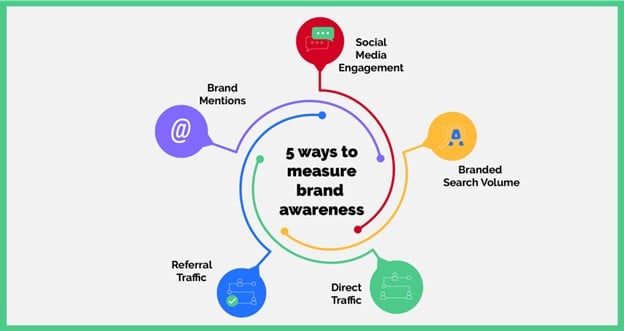
In the absence of reliable traffic metrics, B2B marketers need to adopt new ways of measuring inbound marketing performance. One alternative is to track branded search volume trends. An increase in branded searches can indicate growing brand awareness and interest, even if overall traffic is declining. This metric provides insight into how often users are specifically seeking out your brand, rather than generic information.
Direct traffic patterns are another valuable metric. While direct traffic can be difficult to attribute, consistent growth in this area may suggest that users are returning to your site intentionally, bypassing search engines altogether. This can be a strong indicator of brand loyalty and engagement, providing a more accurate picture of your audience's behavior.
Pipeline sourced from content is a critical metric that goes beyond first-touch attribution. By analyzing the entire customer journey, marketers can identify how content contributes to conversions at various stages of the funnel. Assisted conversion counts, which track how often content plays a role in the conversion process, can also provide valuable insights. Additionally, incorporating self-reported attribution from forms, where users indicate how they heard about your company, can help validate other data sources and provide a more comprehensive view of your marketing impact.
Adapting Content Strategy for AI Citation
To thrive in a zero-click world, B2B marketers must adapt their content strategies to increase the likelihood of being cited in AI-generated answers. One key factor is the use of structured data. By implementing schema markup, you can help search engines understand the context and relevance of your content, increasing the chances of being featured in AI overviews.

Directness and clarity in content are also crucial. AI algorithms favor content that provides clear, concise answers to user queries. This means avoiding overly complex language and focusing on delivering straightforward, actionable insights. Original data and unique perspectives can also set your content apart, making it more likely to be included in AI-generated summaries.
It's important to stop writing content that is unlikely to be cited by AI or that does not add value to the existing body of knowledge. This includes generic content that lacks depth or originality. Instead, focus on creating high-quality, authoritative content that addresses specific pain points and offers unique solutions. By doing so, you can increase the chances of your content being featured in AI overviews and maintain its relevance in a zero-click environment.
Dark Social and Self-Reported Attribution as Inbound Signals
Dark social refers to the sharing of content through private channels, such as email, messaging apps, and direct messages on social media. These interactions are difficult to track using traditional analytics tools, but they can be a significant source of inbound traffic and engagement. Understanding the impact of dark social requires a different approach to measurement.
One way to capture the influence of dark social is by incorporating a "how did you hear about us" field into your lead capture forms. This self-reported attribution can provide valuable insights into the channels and content that are driving engagement, even if they are not directly trackable. By analyzing this data alongside traditional metrics, marketers can gain a more comprehensive understanding of their inbound marketing performance.
When weighting self-reported data alongside tracked data, it's important to consider the context and reliability of each source. Self-reported data can be subjective and prone to bias, but it can also reveal trends and patterns that are not visible through other means. By combining these insights with tracked data, marketers can develop a more nuanced view of their audience's behavior and preferences.
Building an Inbound Performance Framework That Survives Algorithm Changes
To build an inbound performance framework that can withstand changes in search algorithms, marketers need to focus on a balanced mix of leading and lagging indicators. Leading indicators, such as branded search volume and direct traffic patterns, provide early signals of changes in brand awareness and engagement. These metrics can help marketers identify trends and adjust their strategies proactively.
```htmlReal-World Example: HubSpot
HubSpot, a leader in inbound marketing, adapted its content strategy by focusing on creating more interactive and engaging content formats, such as webinars and podcasts, to maintain its inbound pipeline. Despite a 10% decline in organic clicks due to zero-click searches, HubSpot reported a 15% increase in lead generation through these new formats. By leveraging their existing audience and encouraging more direct engagement, HubSpot successfully offset the impact of reduced organic traffic, maintaining a steady flow of qualified leads into their sales funnel.
Real-World Example: Drift
Drift, known for its conversational marketing platform, shifted its measurement strategy to focus on branded search and dark funnel attribution. Instead of relying on session counts, Drift began tracking the influence of brand interactions and word-of-mouth referrals. This shift resulted in a 20% increase in attributed leads from branded searches and dark social channels. By recognizing and measuring the impact of these less visible touchpoints, Drift was able to gain a more comprehensive understanding of its marketing performance and optimize its efforts accordingly.
Lagging indicators, such as pipeline sourced from content and assisted conversion counts, provide a retrospective view of marketing performance. These metrics help marketers understand the long-term impact of their efforts and validate the effectiveness of their strategies. By combining leading and lagging indicators, marketers can create a robust performance framework that remains relevant regardless of how search algorithms evolve.
In addition to these metrics, it's important to maintain a focus on content quality and relevance. By consistently producing high-quality content that addresses the needs and interests of your target audience, you can build a strong foundation for inbound marketing success. This approach not only helps you adapt to changes in search algorithms but also ensures that your content remains valuable and engaging to your audience.
What to Tell Leadership When Traffic Drops
When traffic drops, it's essential to reframe the conversation with leadership to focus on alternative proof points. Start by explaining the impact of zero-click searches and how they affect traditional traffic metrics. Highlight the importance of looking beyond traffic to understand the full scope of inbound marketing performance.
Present alternative metrics, such as branded search volume, direct traffic patterns, and pipeline sourced from content, to demonstrate the continued impact of your marketing efforts. These metrics provide a more comprehensive view of engagement and conversion, helping to reassure leadership that your strategies are still effective.
Set new benchmarks based on these alternative metrics to align expectations with the current marketing environment. By establishing clear goals and performance indicators that reflect the realities of a zero-click world, you can provide leadership with a more accurate picture of your marketing success. This approach not only helps to manage expectations but also positions your team as proactive and adaptable in the face of industry changes.
Key Takeaways
- Zero-click searches are reducing website traffic for inbound marketing teams.
- B2B marketers face unique challenges with zero-click searches and complex queries.
- Traffic is no longer a reliable performance metric for inbound marketing.
- Marketers should focus on branded search volume trends for better insights.
Frequently Asked Questions
- What are zero-click searches?
- Zero-click searches occur when users find answers directly on the search results page without clicking through.
- How do zero-click searches affect B2B marketing?
- B2B queries often involve complex topics, leading to less traffic as users get answers directly from search results.
- Why is traffic no longer a reliable metric?
- Traffic does not reflect user engagement when content is consumed directly on search pages, leading to misleading performance insights.
- What metrics should B2B marketers focus on instead?
- Marketers should track branded search volume trends to gauge brand awareness and interest, even if traffic declines.
See Where Your Business Stands in Search
Get a free site audit. We identify what is holding you back and what to fix first.
Related Resources
Explore more insights to enhance your digital marketing strategy
B2B Demand Generation: Building a Pipeline Engine That Scales
A practical guide to building and optimising demand gen programs that consistently fill the top of funnel with qualified pipeline.
Revenue Attribution Platform
See exactly which campaigns, channels, and plays drive closed revenue — not just leads. Multi-touch attribution built for B2B revenue teams.
See RankWorks in Action
Book a 30-minute demo and see how leading B2B marketing teams connect demand programs to pipeline and revenue.