Marketing Funnel Visibility: Finding the Leaks

Most B2B funnels leak silently. Learn how to diagnose where deals drop off, what metrics to track at each stage, and how to build genuine funnel visibility.
In the realm of B2B marketing, funnel visibility is a term often misunderstood. Many teams focus on funnel volume, celebrating the number of leads entering the funnel without truly understanding the health of the funnel itself. This approach can obscure critical issues that affect conversion rates and overall marketing effectiveness. Without a clear view into the funnel's health, marketing leaders may miss opportunities to optimize processes, leading to wasted resources and missed revenue targets. This article explores the concept of funnel visibility, identifies common leakage points, and provides strategies for diagnosing and addressing these issues.
What Funnel Visibility Actually Means
Funnel visibility goes beyond simply tracking the number of leads at each stage of the marketing funnel. It involves understanding the quality and behavior of leads as they progress through each stage, identifying where and why they drop off, and taking action to improve conversion rates. This requires moving beyond vanity metrics such as total lead count or website visits, which provide little insight into how effectively leads are being nurtured and converted.
In practice, true funnel visibility means having a comprehensive view of the entire customer journey, from initial contact to final sale. This involves tracking key performance indicators (KPIs) such as conversion rates between stages, time spent in each stage, and the effectiveness of marketing campaigns in moving leads through the funnel. A visible funnel allows marketing leaders to pinpoint exactly where leads are getting stuck or dropping off, enabling them to make data-driven decisions to improve funnel health.
The difference between a funnel report and funnel intelligence is significant. A funnel report provides a snapshot of current funnel metrics, such as the number of leads at each stage. Funnel intelligence, on the other hand, involves analyzing these metrics to uncover insights and trends, predicting future outcomes, and making strategic decisions to optimize the funnel. This requires a deep understanding of the data and the ability to interpret it in the context of broader business goals.
The Five Places B2B Funnels Leak Most
MQL-to-SQL Drop-off and What Causes It
The transition from Marketing Qualified Lead (MQL) to Sales Qualified Lead (SQL) is a critical point in the funnel where many leads are lost. This drop-off can occur for several reasons. Often, the criteria for qualifying leads as MQLs may be too broad, resulting in leads that are not truly ready for sales engagement. Additionally, misalignment between marketing and sales teams regarding lead qualification criteria can lead to confusion and inefficiencies.
Another common cause of MQL-to-SQL drop-off is a lack of timely follow-up. If sales teams do not engage with MQLs quickly, the leads may lose interest or move on to competitors. Ensuring that MQLs are promptly handed off to sales and that there is a clear process for follow-up is essential to reducing drop-off at this stage.
Finally, inadequate lead nurturing can result in MQLs that are not sufficiently educated or interested in the product or service being offered. Implementing targeted nurturing campaigns that provide valuable content and address potential objections can help increase the conversion rate from MQL to SQL.
SQLs That Stall at Proposal Stage
Once leads reach the SQL stage, they are typically engaged in conversations with sales representatives and are considered potential buyers. However, many SQLs stall at the proposal stage, failing to progress to a closed deal. This can happen for several reasons, including unclear value propositions, pricing concerns, or competitive pressures.
To address this issue, sales teams must ensure that they fully understand the prospect's needs and pain points, tailoring proposals to address these specific concerns. Providing clear and compelling value propositions, along with flexible pricing options, can help overcome objections and move SQLs through the proposal stage.
Additionally, maintaining regular communication with prospects and addressing any questions or concerns promptly can help keep the sales process moving forward. Sales enablement tools, such as proposal automation software, can also streamline the proposal process and reduce the likelihood of stalls.
Late-Stage Churn Before Close
Churn at the late stages of the funnel, just before closing a deal, can be particularly frustrating for sales teams. This often occurs when prospects have second thoughts or encounter unforeseen obstacles that prevent them from finalizing the purchase. Common causes of late-stage churn include budget constraints, changes in decision-makers, or new competitive offers.
To minimize late-stage churn, sales teams should maintain open lines of communication with prospects, regularly checking in to address any concerns or changes in circumstances. Building strong relationships with multiple stakeholders within the prospect's organization can also help mitigate the impact of changes in decision-makers.
Furthermore, offering incentives or limited-time offers can create a sense of urgency and encourage prospects to finalize their purchase decisions. By proactively addressing potential obstacles and maintaining strong relationships, sales teams can reduce the likelihood of late-stage churn.
Recycled Leads That Never Re-engage
Recycling leads that did not convert initially is a common practice in B2B marketing. However, many recycled leads fail to re-engage, resulting in wasted efforts and resources. This often occurs when recycled leads are not properly segmented or when the same messaging and tactics are used without addressing the reasons for the initial lack of conversion.
To improve re-engagement rates, marketing teams should segment recycled leads based on their previous interactions and tailor messaging to address specific pain points or objections. Implementing personalized nurturing campaigns that provide relevant content and offers can help rekindle interest and move recycled leads back into the funnel.
Additionally, analyzing the reasons for initial non-conversion and making necessary adjustments to the marketing strategy can improve the effectiveness of lead recycling efforts. By understanding and addressing the unique needs of recycled leads, marketing teams can increase the likelihood of re-engagement and conversion.
Multi-touch Journeys Where Attribution Breaks
In today's complex B2B buying environment, prospects often engage with multiple touchpoints before making a purchase decision. This can make it challenging to accurately attribute conversions to specific marketing efforts, leading to gaps in funnel visibility. Attribution breaks can occur when marketing teams rely on outdated or incomplete attribution models that fail to capture the full customer journey.
To address this issue, marketing teams should implement multi-touch attribution models that account for all interactions a prospect has with the brand. This involves tracking and analyzing data from various channels, such as email, social media, and events, to gain a comprehensive view of the customer journey.
By adopting advanced attribution models and leveraging data analytics tools, marketing teams can gain a clearer understanding of which touchpoints are most effective in driving conversions. This enables them to optimize marketing strategies and allocate resources more effectively, ultimately improving funnel visibility and performance.
How to Diagnose Your Funnel Leaks
Diagnosing funnel leaks requires a systematic approach to data analysis and a deep understanding of the customer journey. One effective method is to conduct specific data queries that identify where leads are dropping off in the funnel. This involves analyzing conversion rates between stages, time spent in each stage, and lead behavior patterns.
Cohort analysis is another valuable tool for diagnosing funnel leaks. By grouping leads based on shared characteristics or behaviors, marketing teams can identify trends and patterns that may indicate potential issues. For example, if a particular cohort consistently drops off at the same stage, this may indicate a problem with the messaging or offer at that point in the funnel.
Time-in-stage tracking is also essential for diagnosing funnel leaks. By monitoring how long leads spend in each stage, marketing teams can identify bottlenecks and areas where leads are getting stuck. This information can help pinpoint specific stages that require optimization and guide efforts to improve funnel performance.
In tools like Salesforce or HubSpot, marketing teams can set up dashboards and reports that provide real-time insights into funnel performance. These platforms offer robust data analysis capabilities, allowing teams to track key metrics, identify trends, and make data-driven decisions to address funnel leaks.
Building a Stage-by-Stage Measurement Framework
To effectively manage and optimize the marketing funnel, it's essential to establish a stage-by-stage measurement framework. This involves defining specific KPIs for each stage of the funnel and setting benchmarks for what good versus bad performance looks like numerically.
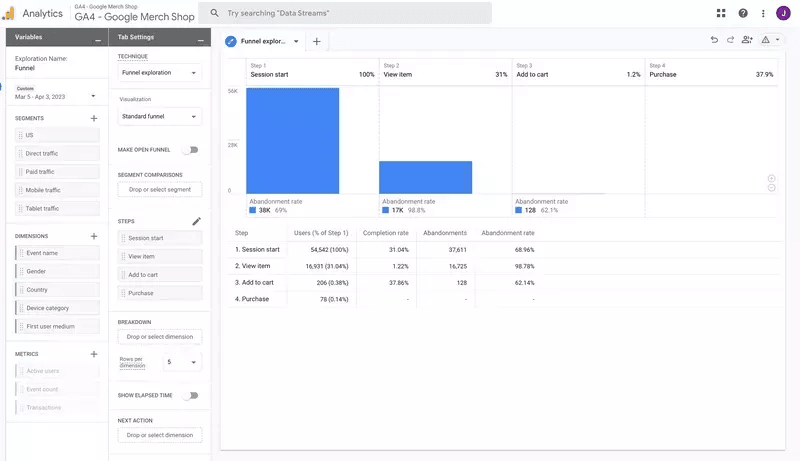
At the top of the funnel, key metrics might include lead volume, lead quality, and initial engagement rates. Good performance at this stage is characterized by a steady flow of high-quality leads that meet predefined criteria. Poor performance may indicate issues with lead generation strategies or targeting.
In the middle of the funnel, focus shifts to conversion rates between stages, time spent in each stage, and engagement with nurturing campaigns. High conversion rates and short time-in-stage durations are indicators of a healthy funnel, while low conversion rates and long durations may signal the need for optimization.
At the bottom of the funnel, key metrics include proposal acceptance rates, close rates, and average deal size. Strong performance at this stage is reflected in high acceptance and close rates, as well as a growing average deal size. Conversely, low rates and stagnant deal sizes may indicate issues with sales strategies or value propositions.
By establishing a comprehensive measurement framework and regularly monitoring these metrics, marketing teams can gain a clear understanding of funnel health and identify areas for improvement. This enables them to make data-driven decisions and optimize strategies to drive better results.
Who Owns Each Stage
Assigning ownership for each stage of the marketing funnel is critical to ensuring accountability and preventing gaps in the process. Different teams and roles within an organization are typically responsible for different stages, and clear delineation of responsibilities is essential for effective funnel management.
At the top of the funnel, marketing teams are generally responsible for lead generation and initial engagement. This includes developing and executing campaigns to attract and qualify leads, as well as managing lead nurturing efforts to move prospects further down the funnel.
The middle of the funnel is often owned by Sales Development Representatives (SDRs), who are responsible for engaging with leads, qualifying them further, and setting up meetings with Account Executives (AEs). SDRs play a crucial role in ensuring that leads are properly nurtured and ready for sales engagement.
At the bottom of the funnel, AEs take ownership of the sales process, working to convert qualified leads into closed deals. This involves managing proposals, negotiations, and finalizing contracts. AEs are responsible for building strong relationships with prospects and addressing any concerns that may arise during the sales process.
RevOps teams play a supporting role across all stages of the funnel, providing data analysis, process optimization, and technology support to ensure smooth operations. They work closely with marketing and sales teams to identify and address any issues that may impact funnel performance.
The Difference Between Funnel Reporting and Funnel Intelligence
Funnel reporting and funnel intelligence are two distinct concepts that serve different purposes in the context of marketing funnel management. Funnel reporting involves tracking and presenting key metrics related to the funnel, such as lead volume, conversion rates, and time-in-stage durations. This provides a snapshot of current funnel performance and helps identify areas that may require attention.
```htmlReal-World Example: HubSpot
HubSpot, a leader in inbound marketing and sales software, tackled the challenge of MQL quality and funnel drop-off by implementing a more refined lead scoring system. By leveraging data analytics and machine learning, HubSpot enhanced their lead qualification process, resulting in a 25% increase in Marketing Qualified Leads (MQLs) that converted to Sales Qualified Leads (SQLs). This improvement not only reduced the drop-off rate but also ensured that the sales team focused on high-quality leads, ultimately boosting overall sales efficiency.
Real-World Example: Gong
Gong, a revenue intelligence platform, significantly improved stage-to-stage conversion visibility by utilizing its own AI-driven analytics capabilities. By providing real-time insights into the sales pipeline, Gong enabled its sales teams to identify bottlenecks and optimize their processes. This approach led to a 30% reduction in the time taken to move leads from one stage to the next, thereby accelerating the sales cycle and enhancing pipeline transparency. The improved visibility allowed Gong to make data-driven decisions that directly impacted revenue growth.

Funnel intelligence, on the other hand, goes beyond reporting to provide actionable insights and strategic guidance. It involves analyzing funnel data to uncover trends, identify root causes of issues, and predict future outcomes. Funnel intelligence enables marketing leaders to make informed decisions and implement targeted strategies to optimize funnel performance.
To achieve funnel intelligence, marketing teams must have a deep understanding of the data and the ability to interpret it in the context of broader business goals. This requires advanced data analysis skills and the use of sophisticated tools and technologies to process and analyze large volumes of data.
By combining funnel reporting with funnel intelligence, marketing teams can gain a comprehensive view of funnel health and make data-driven decisions to drive better results. This enables them to optimize marketing strategies, improve conversion rates, and ultimately achieve business objectives.
Making It Actionable
Turning funnel data into actionable insights requires a structured approach and a commitment to continuous improvement. One effective strategy is to establish a weekly operating cadence that includes regular pipeline reviews and performance assessments. This involves setting aside dedicated time each week to review funnel metrics, identify trends, and prioritize areas for improvement.
During pipeline reviews, marketing and sales teams should collaborate to assess the health of the funnel, discuss any issues or bottlenecks, and develop action plans to address them. This may involve adjusting lead qualification criteria, refining nurturing campaigns, or implementing new sales strategies to improve conversion rates.
Prioritizing fixes is also essential for making funnel data actionable. Marketing leaders should focus on addressing the most significant issues first, based on their potential impact on funnel performance. This may involve allocating additional resources to high-priority areas or implementing targeted interventions to address specific challenges.
By establishing a structured approach to funnel management and regularly reviewing performance, marketing teams can make data-driven decisions and implement targeted strategies to optimize funnel health. This enables them to drive better results, improve conversion rates, and ultimately achieve business objectives.
Key Takeaways
- Funnel visibility measures lead quality and behavior, not just volume.
- Common leakage points occur during MQL-to-SQL transitions.
- Sales teams must follow up quickly to reduce lead drop-off.
- Tailored proposals and regular communication help move SQLs forward.
Frequently Asked Questions
- What is funnel visibility?
- Funnel visibility involves understanding lead quality and behavior throughout the customer journey.
- Why do MQLs drop off before becoming SQLs?
- MQLs often drop off due to broad qualification criteria and lack of timely follow-up from sales.
- How can sales teams improve proposal success?
- Sales teams should tailor proposals to address specific prospect needs and maintain regular communication.
- What are some common causes of late-stage churn?
- Late-stage churn can occur due to unclear value propositions, pricing concerns, or competitive pressures.
See Where Your Business Stands in Search
Get a free site audit. We identify what is holding you back and what to fix first.
Related Resources
Explore more insights to enhance your digital marketing strategy
Revenue Operations: Connecting Marketing, Sales, and CS Data
How high-performing RevOps teams unify data across the full customer lifecycle to eliminate reporting gaps and drive faster decisions.
Decision Intelligence Platform
Unify attribution, MMM, and incrementality into a single operating view. Route every measurement question to the right instrument automatically.
See It Run on Your Stack
Book a demo to see how RankWorks connects to your CRM, MAP, and ad platforms without adding more complexity to your martech stack.