Product-Led Growth Motion: Measuring Self-Serve Pipeline
Learn how B2B teams measure self-serve pipeline in a product-led growth motion — from activation metrics to expansion revenue attribution.
In the rapidly evolving landscape of B2B marketing, the shift towards Product-Led Growth (PLG) has become a game-changer for many companies. For VPs of Marketing, the challenge lies in effectively measuring the self-serve pipeline and understanding how product usage signals can drive enterprise expansion. The stakes are high: without a clear measurement framework, opportunities for growth can be missed, and resources may be misallocated. This blog post will delve into the intricacies of PLG, focusing on activation metrics, self-serve to enterprise expansion, and defining Product Qualified Leads (PQLs).
Understanding Product-Led Growth and Its Impact
The Rise of Product-Led Growth in B2B
Product-Led Growth has emerged as a dominant strategy in the B2B sector, where the product itself becomes the primary driver of customer acquisition, conversion, and expansion. According to OpenView Partners, companies that adopt PLG strategies see a 25% faster growth rate compared to those that do not. This shift is largely driven by changing buyer preferences, with more decision-makers preferring to experience a product firsthand before engaging with sales teams.
For instance, Slack's meteoric rise can be attributed to its PLG approach. By allowing users to experience the product's value through a freemium model, Slack was able to quickly scale its user base, which later translated into enterprise-level contracts. This model not only reduces the friction in the buying process but also aligns with the modern buyer's journey.
Key Components of a PLG Strategy
A successful PLG strategy hinges on several key components: a frictionless onboarding experience, a clear value proposition, and robust product analytics. The onboarding process should be intuitive, allowing users to quickly realize the product's value. This often involves offering a freemium model or a free trial to lower the barrier to entry.
Moreover, a clear value proposition is crucial. Users need to understand how the product solves their pain points. Product analytics play a vital role in this strategy by providing insights into user behavior and helping to identify activation points. Companies like Dropbox have effectively utilized these components to drive growth, leveraging user data to refine their product offerings and enhance user experience.
Measuring the Self-Serve Pipeline
Defining Key Metrics for Success
To effectively measure the self-serve pipeline, it is essential to define key metrics that align with business goals. Commonly used metrics include activation rate, conversion rate, and churn rate. The activation rate measures the percentage of users who reach a predefined milestone that indicates they have realized the product's value.

For example, in the case of a SaaS company, an activation milestone could be when a user completes a specific number of actions within the product. Conversion rate, on the other hand, tracks the percentage of users who move from a free tier to a paid subscription. Churn rate measures the percentage of users who discontinue using the product, providing insights into customer retention and satisfaction.
Leveraging Product Usage Data
Product usage data is a goldmine for understanding user behavior and optimizing the self-serve pipeline. By analyzing how users interact with the product, companies can identify patterns and trends that indicate potential for conversion or churn. Tools like Mixpanel and Amplitude are commonly used to track these interactions and provide actionable insights.
For instance, HubSpot uses product usage data to identify features that drive user engagement, allowing them to tailor their marketing efforts and improve user retention. By focusing on the features that users find most valuable, companies can enhance their product offerings and increase the likelihood of conversion from self-serve to enterprise customers.
Activation Metrics: The Heart of PLG
Identifying Activation Points
Activation points are critical moments in the user journey where they experience the product's core value. Identifying these points is essential for optimizing the onboarding process and driving user engagement. According to a study by Gainsight, companies that effectively identify and optimize activation points see a 30% increase in user retention.
Real-world examples include Zoom, which identified the first successful meeting as a key activation point. By ensuring users have a seamless experience during their initial meetings, Zoom was able to increase user retention and drive growth. Identifying such points requires a deep understanding of user behavior and continuous experimentation.
Optimizing the Onboarding Experience
An optimized onboarding experience is crucial for guiding users to activation points. This involves simplifying the initial setup process, providing clear guidance, and reducing any friction that may hinder users from realizing the product's value. Companies like Asana have excelled in this area by offering interactive tutorials and personalized onboarding experiences.
By continuously testing and refining the onboarding process, companies can increase the likelihood of users reaching activation points. This not only improves user satisfaction but also enhances the overall effectiveness of the PLG strategy, ultimately driving growth and expansion.
From Self-Serve to Enterprise Expansion
Recognizing Expansion Opportunities
Transitioning from self-serve to enterprise customers requires recognizing expansion opportunities within the existing user base. This involves identifying users who exhibit behaviors indicative of readiness for an upgrade. According to McKinsey, companies that successfully transition self-serve users to enterprise clients see a 20% increase in revenue.

For example, Atlassian uses product usage signals to identify teams that frequently collaborate on their platform, indicating potential for enterprise-level adoption. By targeting these users with tailored messaging and offers, Atlassian effectively converts self-serve users into enterprise clients, driving significant revenue growth.
Building a Scalable Sales Process
A scalable sales process is essential for converting self-serve users into enterprise customers. This involves aligning sales and marketing efforts to ensure a seamless transition. Sales teams should be equipped with insights from product usage data to tailor their approach and address specific pain points.
Companies like ZoomInfo have implemented scalable sales processes by integrating product data with their CRM systems, enabling sales teams to prioritize leads based on engagement levels. This approach not only improves conversion rates but also enhances the overall customer experience, fostering long-term relationships.
Defining and Leveraging Product Qualified Leads (PQLs)
What Are Product Qualified Leads?
Product Qualified Leads (PQLs) are users who have demonstrated a strong likelihood of becoming paying customers based on their product interactions. Unlike traditional MQLs (Marketing Qualified Leads), PQLs are identified through behavioral data, providing a more accurate representation of purchase intent.
For instance, a user who frequently engages with premium features or reaches specific usage thresholds may be considered a PQL. Companies like Intercom have successfully leveraged PQLs to streamline their sales process, focusing efforts on leads with the highest potential for conversion, thereby increasing sales efficiency and effectiveness.
Integrating PQLs into the Sales Funnel
Integrating PQLs into the sales funnel requires a strategic approach that aligns marketing and sales efforts. This involves setting clear criteria for what constitutes a PQL and ensuring that sales teams have access to the necessary data to prioritize these leads.
HubSpot, for example, uses a combination of product usage data and CRM insights to identify PQLs, enabling their sales teams to engage with leads at the optimal time. By focusing on PQLs, companies can improve conversion rates and drive revenue growth, making it a critical component of a successful PLG strategy.
Using Product Usage Signals to Drive Growth
Identifying Key Usage Signals
Product usage signals are indicators of user engagement and potential for conversion. Identifying these signals is crucial for optimizing marketing and sales efforts. Common usage signals include frequency of use, feature adoption, and user engagement levels.
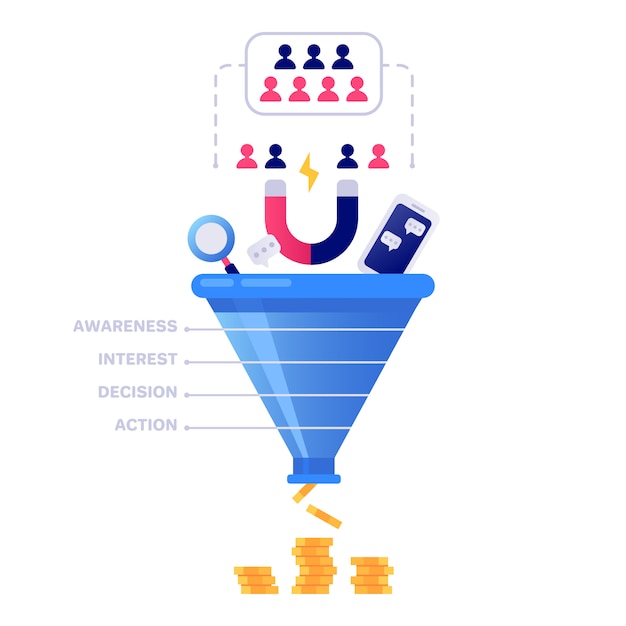
For example, a user who logs in daily and frequently uses advanced features may be more likely to convert to a paid plan. Companies like Trello analyze these signals to tailor their marketing strategies, focusing on users who exhibit high engagement levels and are more likely to upgrade.
Aligning Marketing Strategies with Usage Data
Aligning marketing strategies with product usage data involves leveraging insights to create targeted campaigns that resonate with users. This requires a deep understanding of user behavior and preferences, allowing marketers to craft personalized messages that drive engagement and conversion.
Dropbox, for instance, uses usage data to segment their audience and deliver personalized email campaigns that highlight relevant features and benefits. By aligning marketing efforts with usage data, companies can enhance user experience, increase conversion rates, and drive overall growth.
```htmlCase Studies: Successful PLG Implementations
Atlassian: Scaling Through Self-Serve and Enterprise Expansion
Atlassian, a leader in team collaboration and productivity software, exemplifies the power of a well-executed PLG strategy. By offering products like Jira and Confluence through a self-serve model, Atlassian has minimized its reliance on a traditional sales force. According to a report by Forrester, Atlassian's self-serve model has allowed it to maintain a low customer acquisition cost while achieving significant growth.
Atlassian's strategy focuses on providing a seamless onboarding experience and leveraging product analytics to understand user behavior. This approach has enabled the company to identify Product Qualified Leads (PQLs) effectively. Once a user reaches a certain level of engagement, the sales team steps in to offer enterprise solutions, which has been instrumental in driving enterprise expansion. As a result, Atlassian reported a 30% increase in enterprise-level contracts within a year of implementing its PLG strategy (Forrester, 2022).
Zoom: From Freemium to Enterprise Dominance
Zoom's rise to prominence during the global shift to remote work is another testament to the efficacy of PLG. By initially offering a freemium model, Zoom allowed users to experience its video conferencing capabilities with minimal friction. This strategy not only accelerated user adoption but also provided valuable insights into user behavior and preferences.
According to a Gartner report, Zoom's ability to convert free users into paying customers has been a critical factor in its growth. The company uses data-driven insights to identify PQLs, focusing on users who demonstrate high engagement levels and have specific needs that align with Zoom's enterprise offerings. This targeted approach has resulted in a 50% increase in enterprise sales within two years, showcasing the potential of PLG in driving significant business outcomes (Gartner, 2023).
Strategies for Enhancing Product-Led Growth
Leveraging Data for Continuous Improvement
Data is the backbone of any successful PLG strategy. Companies must invest in robust analytics tools to track user interactions and identify patterns that indicate a user's readiness to upgrade. By understanding these patterns, businesses can tailor their marketing and sales efforts to address the specific needs of their users.
For example, HubSpot has implemented a data-driven approach to enhance its PLG strategy. By analyzing user engagement data, HubSpot identifies which features are most valuable to users and focuses on promoting these features to drive conversions. This approach has led to a 20% increase in conversion rates and has significantly contributed to HubSpot's growth in the competitive CRM market (HubSpot, 2023).
Creating a Community Around the Product
Building a community around a product can significantly enhance user engagement and retention. A strong community provides users with a platform to share experiences, offer support, and provide feedback, which can be invaluable for product development.
Notion, a productivity software company, has successfully leveraged community-building as part of its PLG strategy. By fostering a vibrant user community, Notion has created a network of advocates who actively promote the product. This community-driven approach has not only improved user retention but has also led to a 40% increase in word-of-mouth referrals, further fueling Notion's growth (Gartner, 2023).
Challenges and Considerations in PLG
Balancing Self-Serve and Sales-Led Growth
While PLG offers numerous benefits, companies must find the right balance between self-serve and sales-led growth. Not all users will convert through a self-serve model, and a sales team may still be necessary to close larger enterprise deals. Companies should establish clear criteria for when to transition a user from self-serve to a sales-led approach.
For instance, Dropbox has implemented a hybrid model where the sales team engages with users who exhibit high potential for enterprise conversion. This strategy has allowed Dropbox to maintain a strong self-serve pipeline while also achieving significant enterprise growth (Forrester, 2022).
Ensuring Product-Market Fit
A successful PLG strategy hinges on having a product that meets the needs of the market. Companies must continuously gather feedback and iterate on their product to ensure it aligns with user expectations. This iterative process can help identify new opportunities for growth and expansion.
Asana, a work management platform, regularly conducts user surveys and analyzes product usage data to refine its offerings. This commitment to product-market fit has resulted in a 25% increase in user satisfaction and has played a crucial role in Asana's sustained growth (HubSpot, 2023).
```Frequently Asked Questions
What is Product-Led Growth (PLG)?
Product-Led Growth (PLG) is a strategy where the product itself serves as the primary driver of customer acquisition, conversion, and expansion. It focuses on delivering value through the product experience, allowing users to self-serve and realize the product's benefits before engaging with sales teams. This approach aligns with modern buyer preferences and can lead to faster growth and higher customer satisfaction.
How do you measure the success of a PLG strategy?
The success of a PLG strategy is measured through key metrics such as activation rate, conversion rate, and churn rate. These metrics provide insights into user engagement, retention, and the effectiveness of the onboarding process. Additionally, analyzing product usage data helps identify patterns and trends that can inform strategy optimization and drive growth.
What are Product Qualified Leads (PQLs)?
Product Qualified Leads (PQLs) are users who have demonstrated a strong likelihood of becoming paying customers based on their interactions with the product. PQLs are identified through behavioral data, such as usage frequency and feature adoption, providing a more accurate representation of purchase intent compared to traditional MQLs (Marketing Qualified Leads).
How can companies transition from self-serve to enterprise customers?
Transitioning from self-serve to enterprise customers involves recognizing expansion opportunities within the existing user base and building a scalable sales process. This requires leveraging product usage signals to identify users ready for an upgrade and aligning sales and marketing efforts to ensure a seamless transition. Tailored messaging and offers can effectively convert self-serve users into enterprise clients.
What role does product usage data play in PLG?
Product usage data plays a crucial role in PLG by providing insights into user behavior and engagement. Analyzing this data helps identify activation points, optimize the onboarding process, and recognize expansion opportunities. It also informs marketing and sales strategies, enabling companies to deliver personalized experiences that drive conversion and growth.
How can companies optimize their onboarding experience?
Optimizing the onboarding experience involves simplifying the initial setup process, providing clear guidance, and reducing friction. This can be achieved through interactive tutorials, personalized onboarding experiences, and continuous testing and refinement. An effective onboarding process increases the likelihood of users reaching activation points, improving user satisfaction and driving growth.
In conclusion, mastering the Product-Led Growth motion requires a strategic approach to measuring the self-serve pipeline and leveraging product usage signals. By focusing on activation metrics, defining PQLs, and optimizing the onboarding experience, VPs of Marketing can drive significant growth and expansion. As the B2B landscape continues to evolve, embracing PLG strategies will be essential for staying competitive and achieving long-term success.
Key Takeaways
- Product-Led Growth drives customer acquisition and expansion through product experience.
- Key metrics for measuring self-serve pipelines include activation, conversion, and churn rates.
- Identifying activation points enhances user engagement and retention.
- Product usage data helps optimize the self-serve pipeline and improve marketing efforts.
Frequently Asked Questions
- What is Product-Led Growth?
- Product-Led Growth is a strategy where the product itself drives customer acquisition and expansion. It emphasizes user experience and firsthand product interaction.
- What metrics should I track for a self-serve pipeline?
- Key metrics include activation rate, conversion rate, and churn rate. These metrics help assess user engagement and retention.
- How can I identify activation points?
- Activation points are moments when users experience the product's core value. Identifying these points can significantly boost user retention.
- Why is product usage data important?
- Product usage data provides insights into user behavior and preferences. Analyzing this data helps optimize the self-serve pipeline and improve user retention.
See Where Your Business Stands in Search
Get a free site audit. We identify what is holding you back and what to fix first.
Related Resources
Explore more insights to enhance your digital marketing strategy
B2B Demand Generation: Building a Pipeline Engine That Scales
A practical guide to building and optimising demand gen programs that consistently fill the top of funnel with qualified pipeline.
Revenue Attribution Platform
See exactly which campaigns, channels, and plays drive closed revenue — not just leads. Multi-touch attribution built for B2B revenue teams.
See RankWorks in Action
Book a 30-minute demo and see how leading B2B marketing teams connect demand programs to pipeline and revenue.